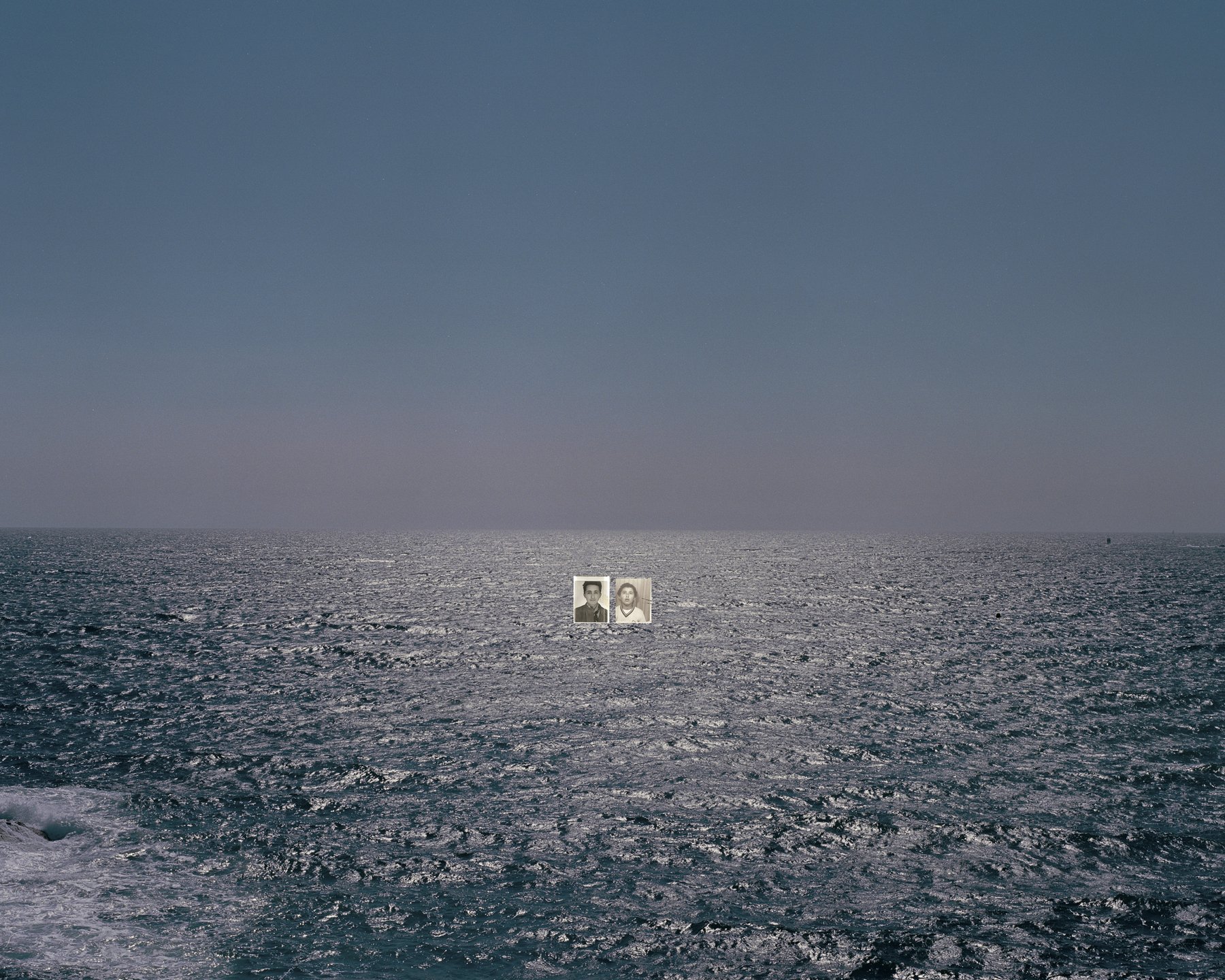


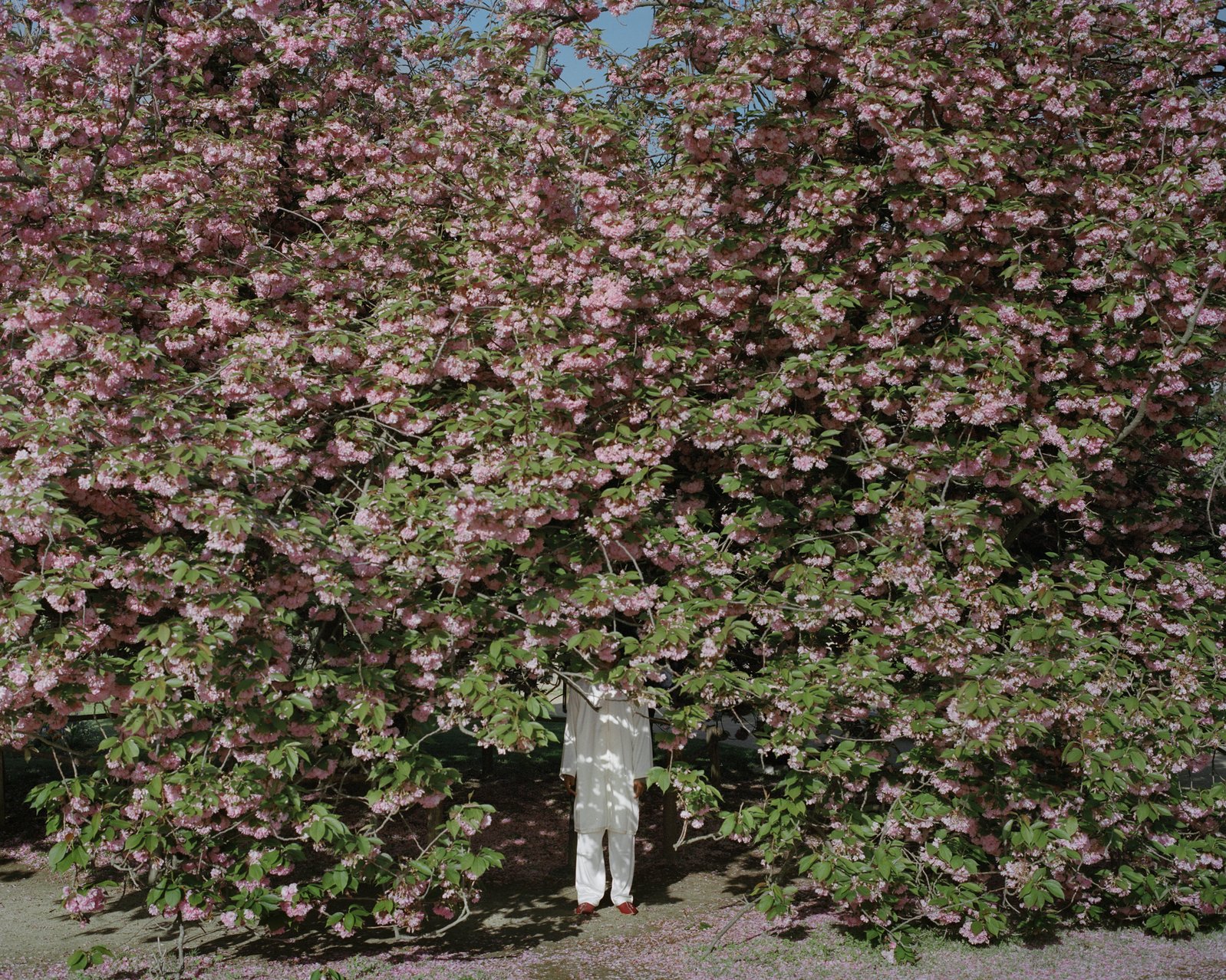

This is a love letter to you, Uncle Farid. And here are the questions I was never able to ask you: Did you ever believe in Allah? Did you ever try to come out to your parents? How did the news feel, in your body, when you were diagnosed with HIV? Were you able to feel fully queer, and fully Arab, in France?
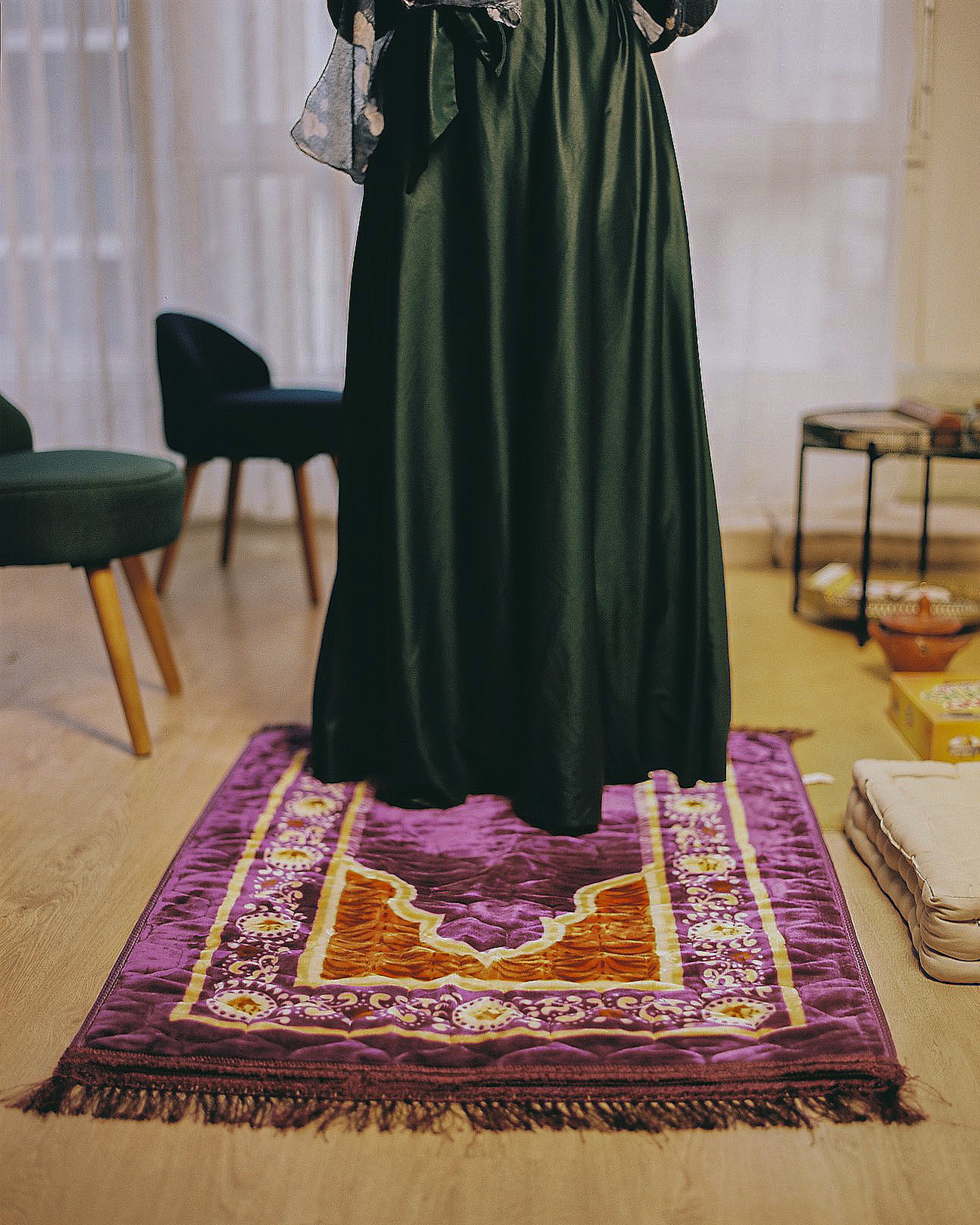
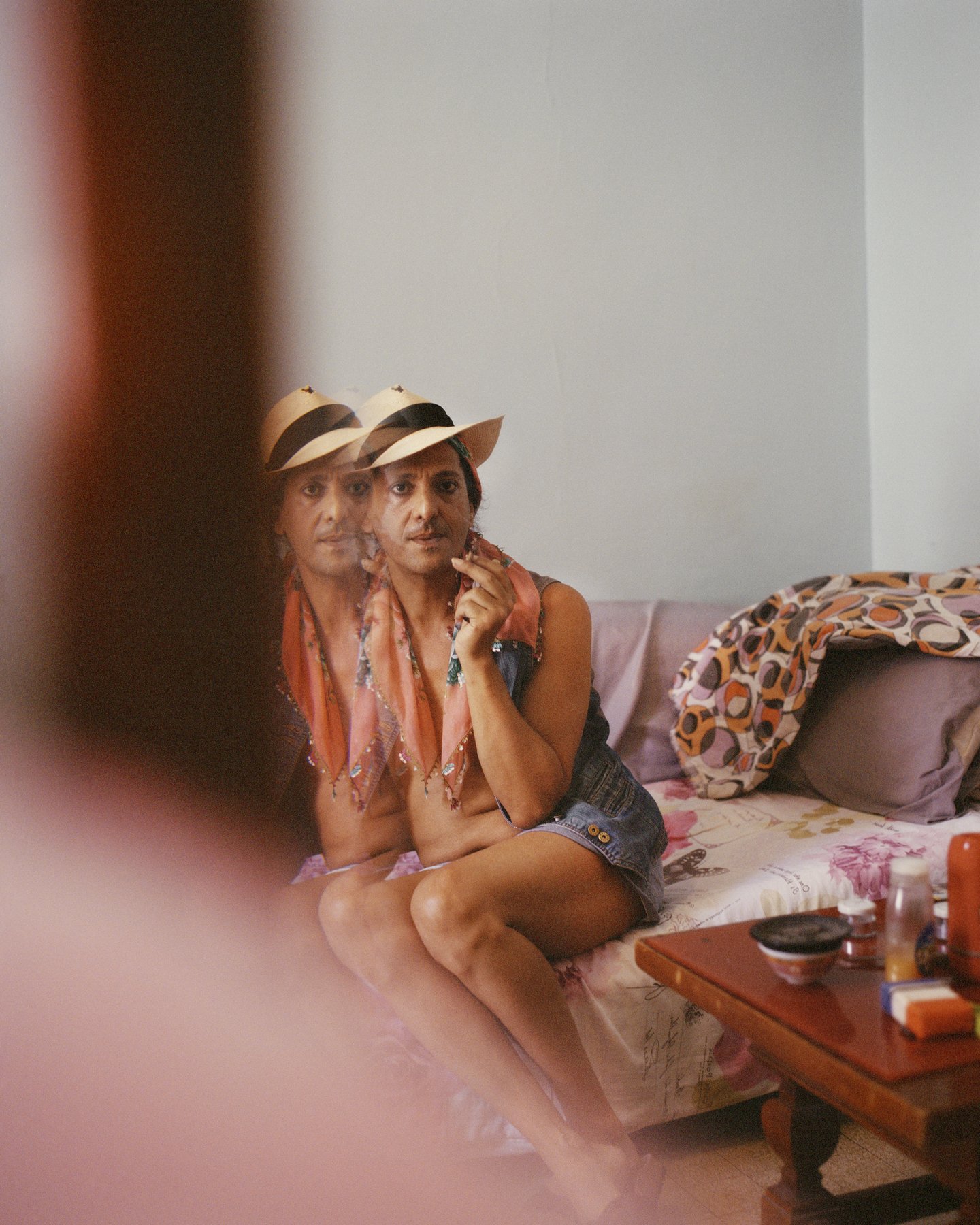
Made Of Smokeless Fire is an homage to Farid, who passed away in 2013. In the absence of his voice, I turned my lens toward LGBTQIA+ individuals of Muslim culture in France, often underrepresented and simply ignored. France is home to the largest proportion of Muslims in the Western world, estimated at 8.8% or the population, or 5.57 million. Yet, islamophobia remains pervasive. At the intersection of discrimination on the basis of sexual orientation, gender identity, and racism, queer Muslims are actively challenging these inequities, while redefining their own cultural and religious heritage.
Queer Muslim communities often exist in the shadows, either through a lack of representation or a conscious choice to remain unseen. How do we photograph the invisible? How can we honor identities while respecting their secrets? What modes of representation can we develop for undefined, queer, and plural stories? How can we soften a medium that has historically been violent in its classification of human identities?
The month of May 2023 marked 10 years since my uncle’s death. Opening up our memories and traumas can almost be redemptive, leading us to question our imposed narratives of faith, survival, family and love in the face of hate. This body of work has become a necessity for me, a tunnel for examining the trauma of silence surrounding queer lives. With secrets tied in loss of memory due to colonial history, immigration, and assimilation, this work has evolved into not only an homage to Farid and Lamine but to queered and racialized bodies - bodies in liminality.